EVENT
Shipping

Project Cargo Summit - Bilbao, Spain

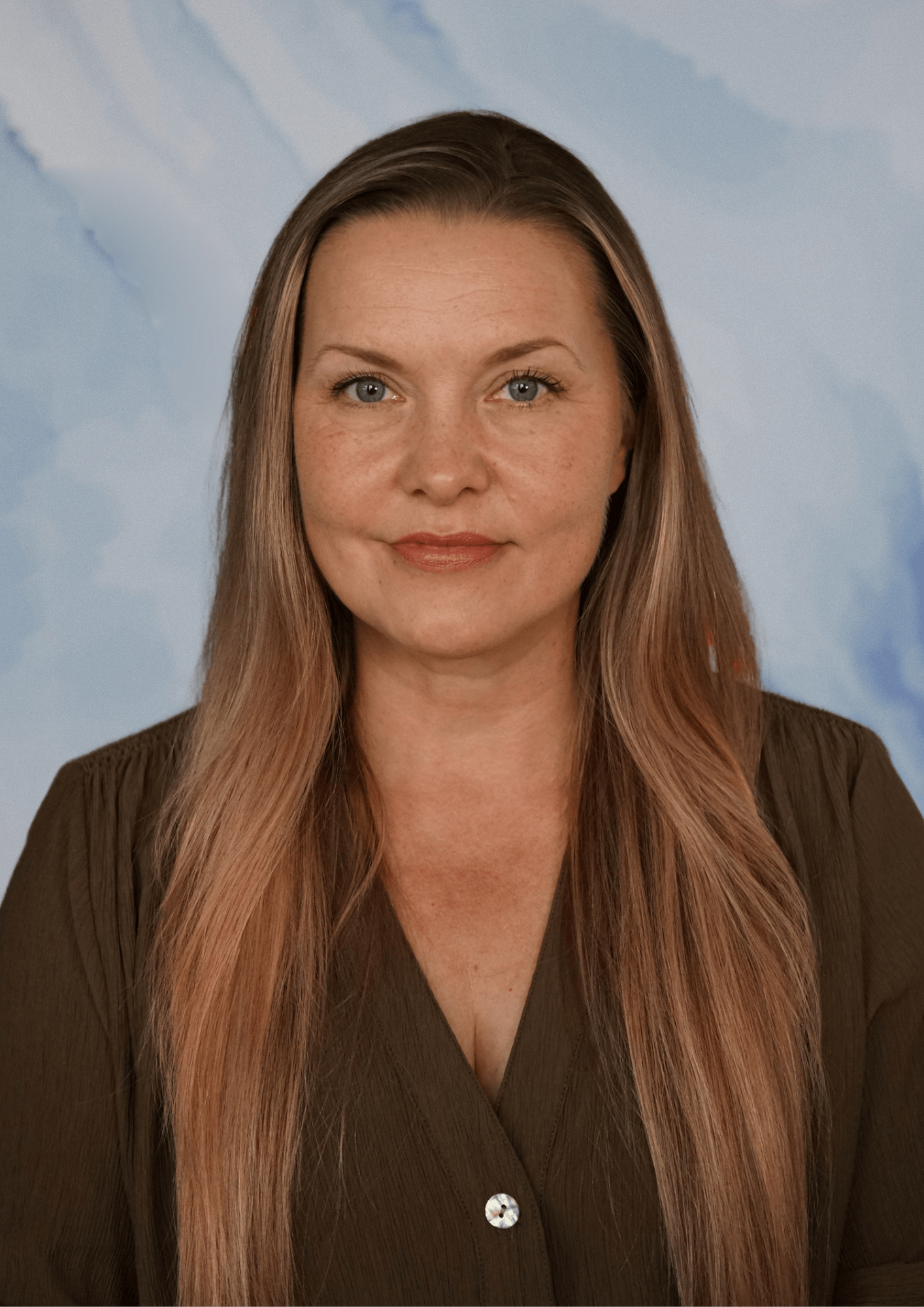
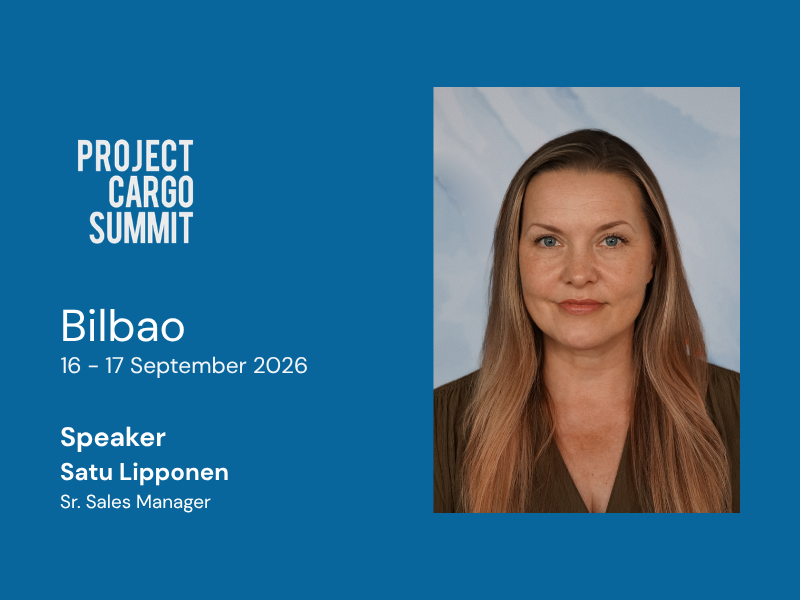
Spinergie Senior Sales Manager (Shipping), Satu Lipponen took part in two sessions at this year's Project Cargo Summit in Bilbao, Spain. On Thursday, September 17 she joined Rene Nijhuis, Senior Commercial Manager, Roll Group, in 'Fleet Sifts: Preparing for the future' followed by an interactive Q&A: 'The next generation of heavy lift and multipurpose vessels'.

PAST EVENT
UPCOMING

Event overview

In 'Fleet Shifts: Preparing for the future' Satu Lipponen, Spinergie, and Rene Nijhuis, Roll Group, discussed the evolution of the global heavy lift and multipurpose fleet as traditional operators invest in increasingly specialised tonnage. They covered several topics from forward-bridge designs and vessels tailored to specific operating environments to expanded deck carrier capabilities, and how fleet strategies are adapting to changing market demands. During the session, they explored the drivers behind these design decisions, the sectors these vessels will serve, and how operators are investing in new assets and technologies to meet tomorrow's challenges. The following Q&A session: 'The next generation of heavy lift and multipurpose vessels,' provided further exploration of how the fleet is evolving to meet changing project cargo demand.

About the Event

Key Insights

Transport activities are mainly driven by the O&G industry, representing 48% of the activity, followed by maritime activities (shipbuilding, port development) and offshore wind. Two sectors are participating to the growth of the transportation market: Offshore Wind and LNG.
Offshore wind growth has been driven by two key factors: US projects which require components to be transported from Europe, and the Internationalisation of the supply chain with European developers increasingly sourcing components from Asia. However, changes to the US sector will see that market slow down from next year.
Bigger components mean bigger vessels and this is reflected in the latest newbuild deck carriers all being above 13,000 tons DWT. All the main players are investing in larger vessels.
Despite reduced US activity, offshore wind demand will still grow with European project numbers increasing and projects themselves moving into deeper, further from shore, waters. The latter increases the use of jacket foundations which are mainly produced in Asia. This will continue the upward trend of component transport flowing from Asia to Europe.
Today there is a clear split between turbine component transportation (nacelles, blades and towers) and remaining tier-one components (foundations, substations and cables). 60% of the turbine components are transported by general cargo vessels. Those are critical components, requiring hatches and RoRo for their transport. For the rest of the components, there is a clear correlation between component size and deck carrier size. Large components like HVDC substation or jackets are supplied via 20,000+ DWT principally, whereas monopiles are handle by a mix of smaller and higher vessels, as those components differ drastically in terms of weight.

Speakers

Satu Lipponen
Senior Sales Manager (Shipping)

Satu Lipponen joined Spinergie in 2026 to lead our commercial efforts across the shipping sector. She brings over 15 years of experience in maritime technology, using data-driven technologies to solve client problems across vessel performance, marine insurance, and crew retention.
Topics discussed

EVENT
Project Cargo Summit - Bilbao, Spain
16/9/2026
Hotel Carlton, Bilbao, Spain
UPCOMING
PAST EVENT
Antoine Gatinaud-Spinergie-Green-OSV-Forum
On
28/10/2026
Impiana KLCC, Kuala Lumpur, Malaysia
UPCOMING
PAST EVENT
spinergie-taiwan-asia-offshore-wind-day
On
13/10/2026
Marriott Hotel, Taipei
UPCOMING
PAST EVENT
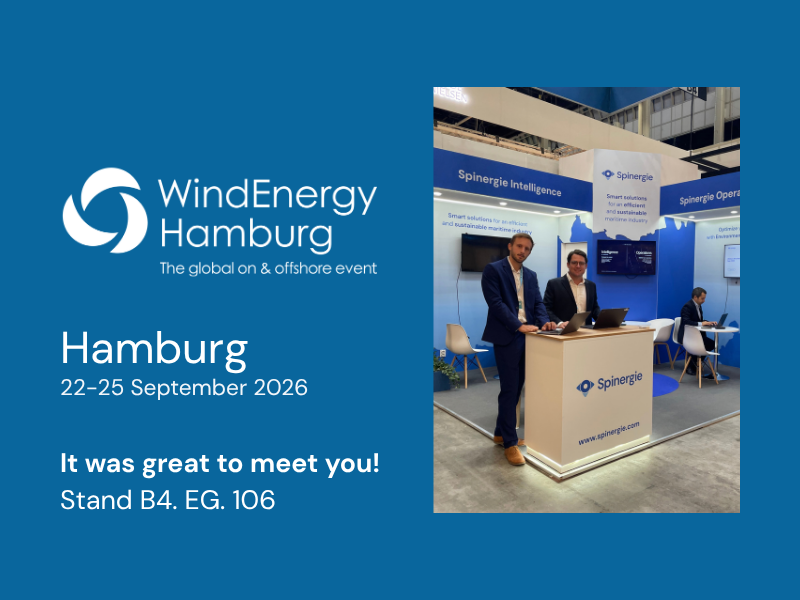
Spinergie-Wind-Energy-Hamburg
On
22/9/2026
Hamburg Exhibition Centre