
Introduction
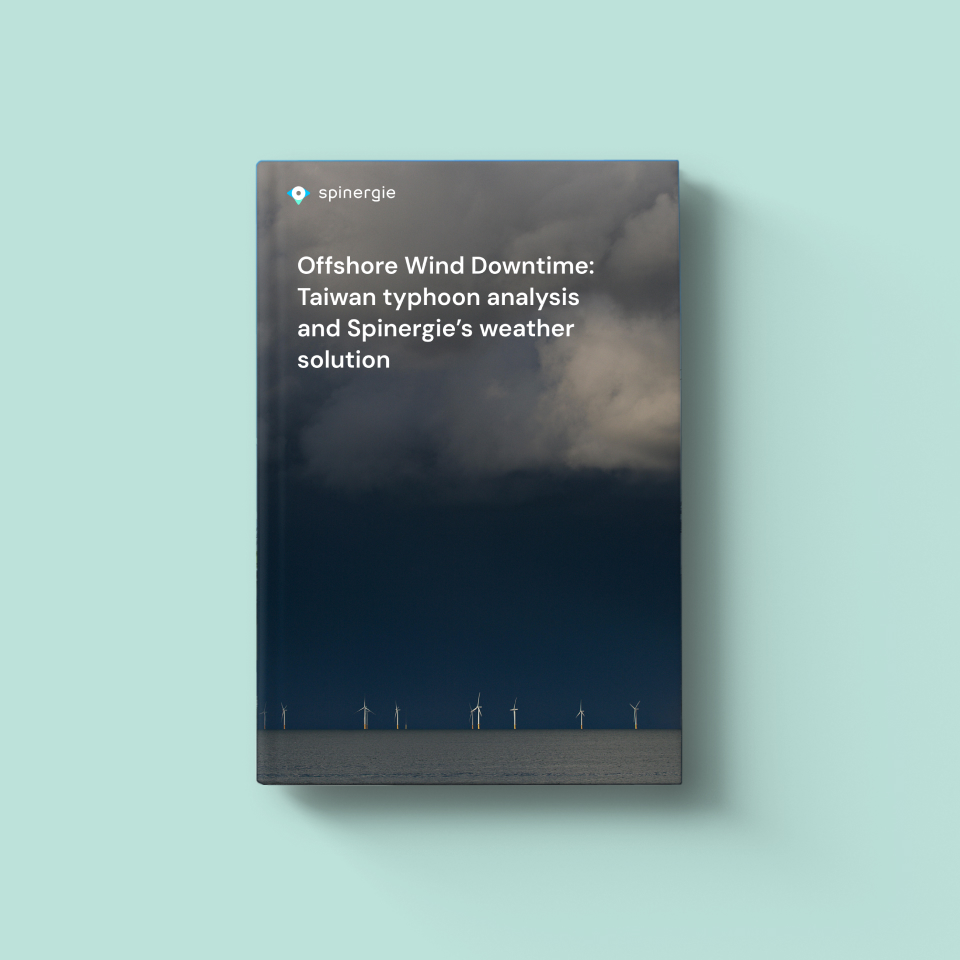
This white paper bridges the gap between raw data and really understanding the impact of weather on downtime. Using Taiwan- which regularly sees headline grabbing typhoon events - as a case study, we introduce the depth of our downtime analysis. Then, we share the weather forecasting and analysis tools within our Market Intelligence and Smart Fleet Management solution. These tools, or the further analysis available from our Consulting team, will help you generate the insights you need to make effective decisions during disruptive weather events and when planning.
What You'll Learn
By combining granular weather data with real-time vessel tracking we see how fleets actually respond to environmental stressors. That means moving beyond “clear window” guesswork and securing a roadmap for mastering weather risk through advanced market intelligence and downtime modelling.
You will learn:
- How typhoons vs. winter conditions differ in their impact on your project’s total downtime volume
- How vessel behavior shifts during warnings, from offshore standby to full port demobilization and EEZ exit.
- How market activity levels multiply weather risk, turning moderate storms into major schedule bottlenecks.
- How to identify real-world workability limits by benchmarking fleet performance against actual wave and wind thresholds.
- How to use historical weather "replays" to resolve disputes, validate claims, and refine future tender responses.
- How to prevent the "slow bleed" of winter downtime through data-backed, disciplined seasonal scheduling.
.png)
Discover how Spinergie’s weather and downtime analysis can inform your offshore wind strategy in this expert guide.