


Yvan Gelbart
,
Lead Analyst
Author
, Published on
September 16, 2026
No items found.

Offshore wind Main Component Replacement (MCR) activity is set to double by 2040 — see what's driving demand and what it means for vessel capacity
.jpg)
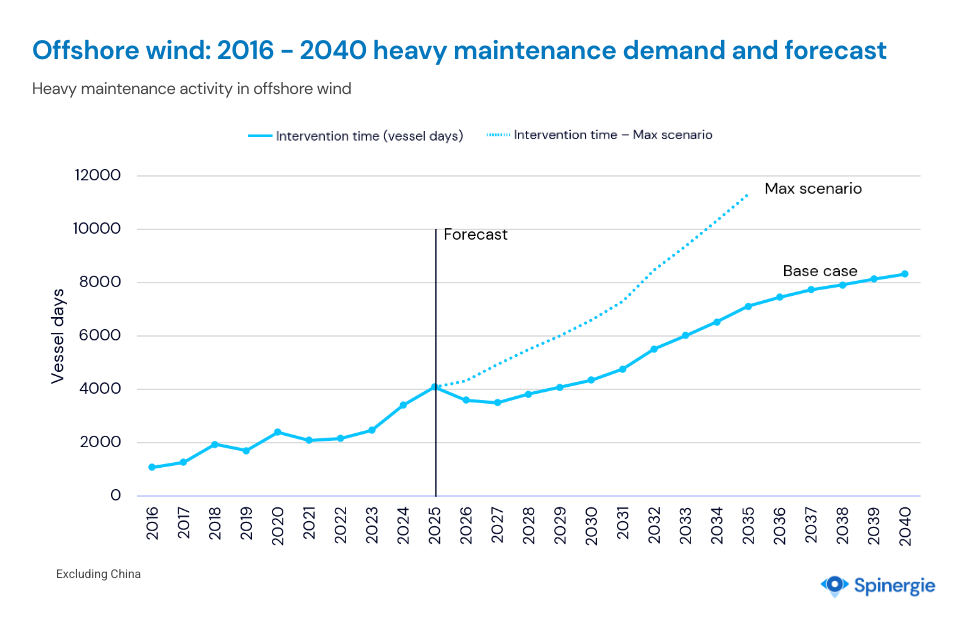
Annual offshore wind Main Component Replacement (MCR) activity has doubled since 2018, and is set to double again by 2040 at the latest. This acceleration in heavy maintenance demand is the natural consequence of an expanding offshore wind market. But what are the wider implications for the vessel market as these operations grow in tandem with increasing global capacity?
MCR is a specialised corner of the O&M market, with only a few companies currently operating in it. Operations entail swapping out larger offshore wind turbine parts - transformers, gearboxes, drivetrains, and blades - that are either already damaged or at risk of failure.
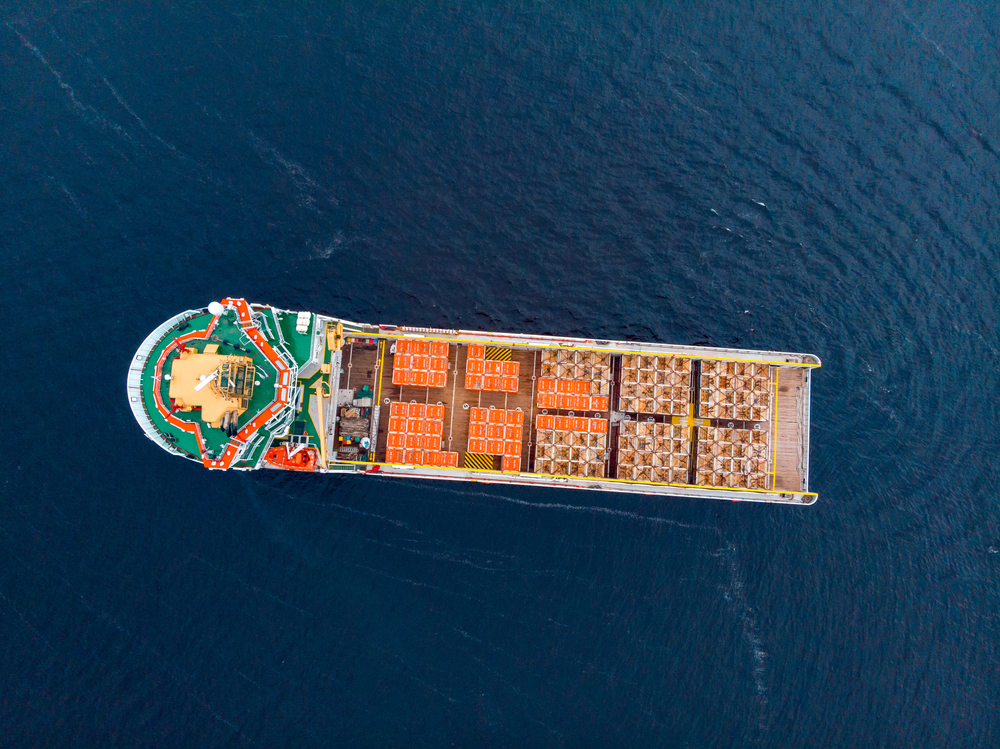
These components sit at one of the highest points of an offshore wind turbine and are at least 100 metres above sea level. This means jack-up vessels with the stability offered by their four-leg jacking systems and high-capacity cranes, are the default vessels for these operations.
Robust growth in offshore wind is the key driver in increasing MCR requirements. Every newly commissioned offshore wind turbine is added to the future potential intervention list - a list that is set to increase by thousands in Europe and APAC over the next 10 years.
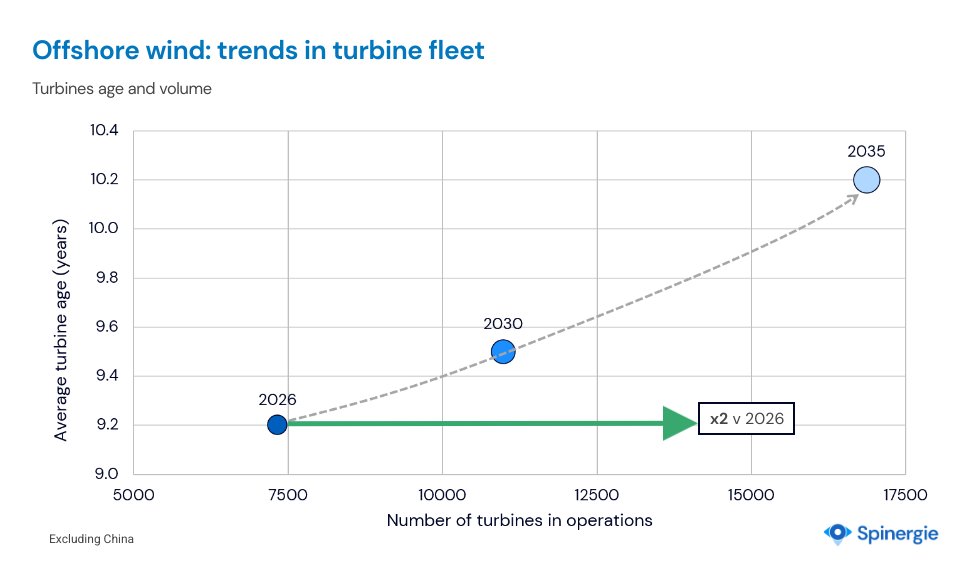
As the volume of turbines increases, existing assets continue to age. As of 2026, there are just under 7,500 offshore wind turbines with an average age of nine years. By 2035 there are set to be around 17,000 turbines with an average age of 10.2 years. This becomes crucial when taking heavy maintenance into consideration because turbines generally meet a maturity point between six and nine years old. After this point they require more frequent interventions.
In addition to the sheer volume of turbine capacity and age-related fatigue, the adoption of larger 14 to 15 MW turbines, which primarily use direct-drive technology, must be considered in relation to its impact on MCR.
Direct-drive components are larger, heavier, and less modular, with Spinergie data indicating that their interventions take around three times longer than traditional gearbox configurations. With this technology only in its infancy - around two years - there is no extended track record to draw on, meaning it’s unclear how much impact these longer interventions will have in the long term.
Efficiency is likely to improve due to operators and contractors undergoing a learning curve. However, the inherent complexity of swapping parts in a direct drive system means it will likely remain a more involved process than geared alternatives.
The specialised jack-up maintenance fleet is one of the most consistently active with an average utilisation of around 80% each year. Unlike installation jack-ups, which face project delays or seasonal downtime, maintenance jack-ups like Ziton’s assets maintain high utilisation through long-term maintenance charters with turbine OEMs.
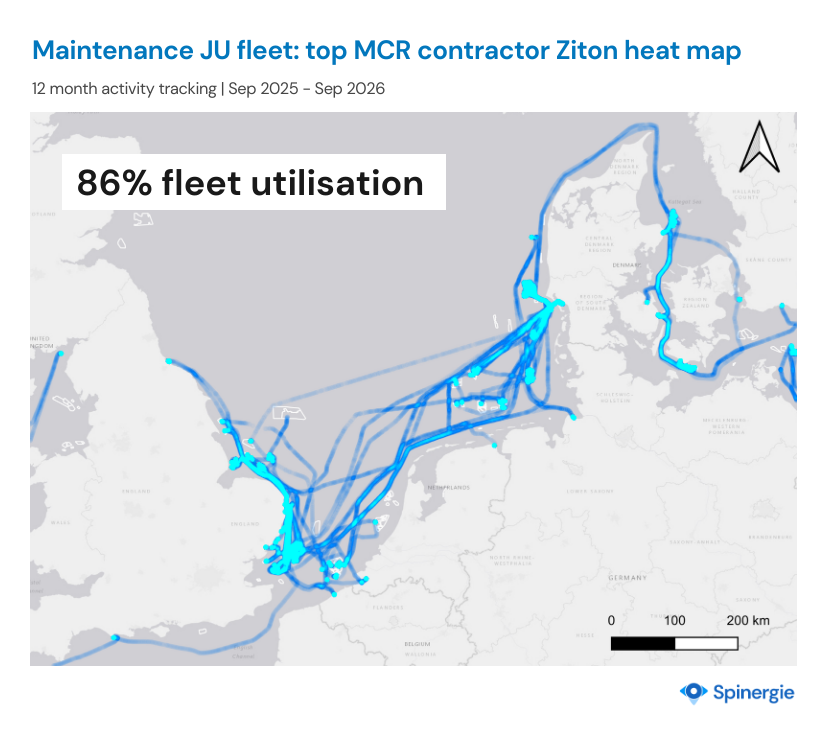
At the same time, installation contractors like Cadeler and Subsea 7 are making opportunistic entries into the maintenance market during downtime between long-term installation contracts.
There will be some regional variances. Europe will retain a high volume of activity while APAC shows faster growth. Both markets will require significant capacity. On the other hand, North America represents a small corner of the market and is likely to be serviced locally with Maersk Viridis (formerly Maersk Sturgeon).
With both the specialised O&M fleet and installation fleet currently active with high utilisation, it indicates there will be very little slack as capacity and heavy-maintenance demands rise. Proactively getting ahead of scheduling for installation and a project’s ongoing O&M needs leaves players in a significantly better position than those who only react once the bottlenecks emerge.
Our clients use Spinergie Intelligence to stay a step ahead. Find out more in a no-obligation demo - click here to book.
.jpg)
.jpg)