.png)
Hugo Madeline
,
Senior Offshore Energy Analyst / Project Manager
Author
, Published on
August 18, 2026
No items found.



How supply scarcity and rising fuel costs drove North Sea AHTS spot dayrates to a historic high in Q2 2026, despite low demand.
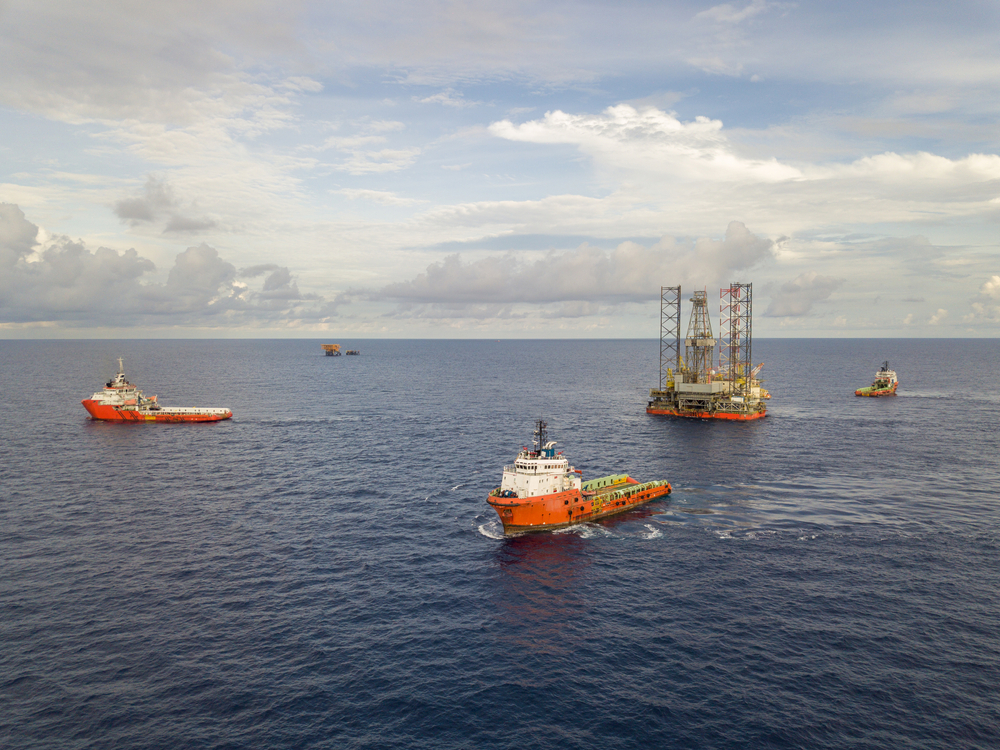
North Sea Anchor Handler Tug Support (AHTS) rates reached a record level during Q2 2026. The fixture in question was to support a rig move in Norway with a dayrate of USD 430,000 during April.
Yet there was even more to the story, indicating unusual market signals, since Q1 2026 recorded the lowest AHTS demand of the decade at just 850 days. So, why were fixture rates hitting historic highs despite decreased demand?
The increase in rates is more reflective of supply scarcity than demand growth. In fact, the working North Sea AHTS fleet has been contracted to the point that a short sequence of consecutive rig moves can exhaust regional availability and push spot rates higher.
This tightening began in the second half of 2025 when several AHTS units left the North Sea for long-term contracts in Brazil. On a like-for-like basis, 6.4 units exited the region between Q3 and Q4 2024, compared with 7.1 units over the same period in 2025.
Escalation continued throughout the winter season. Then spring remobilisation ahead of summer campaigns occurred at typical volumes, meaning it was unable to offset the tonnage transferred elsewhere. Again, a comparison between 2024 and 2025 highlights the impact as 3.6 units relocated back to the North Sea between Q1 and Q2 2024, compared with 3.2 in 2025. This deficit persisted into 1H 2026. Winter rates held at spring and summer levels because fewer units returned to meet demand.
.png)
The pattern echoes the 2022 construction season, when Hywind Tampen floating wind operations absorbed heavy bollard pull AHTS units and produced a comparable supply deficit, with dayrates reaching a then-record USD 200,000.
Fuel costs provided additional pressure on vessel supply. The price of Brent rose approximately 65% by the end of March—its largest monthly increase on record. Primarily driven by the Strait of Hormuz crisis, oil was trading close to USD 114 in early May.
Higher crude oil prices filter through to marine gas oil (MGO), which vessel owners bear on ballast and mobilisation legs of a voyage. Daily fuel costs lie on the side of the charterer. The result is a higher cost of moving tonnage into the region alongside increased mobilisation fees.
For charterers, spot exposure carries elevated cost and timing risk through the summer, and term coverage represents the principal hedge against further rate increases.
Spinergie clients use Market Intelligence to track market fluctuations and spot patterns in real time. With real-time vessel tracking, it’s clear which vessels are mobilising globally and where supply and demand gaps are forming. Find out more about how we monitor the offshore support fleet, including AHTS, with a free demo of our solution.
.jpg)
.jpg)