Sarah McLean
,
Lead Content Manager
Author
, Published on
August 18, 2026
No items found.



Spinergie's Heavy O&M module delivers data-driven intelligence on offshore wind jackup interventions, helping developers, vessel managers, and independent service providers plan for rising heavy maintenance demand with confidence.
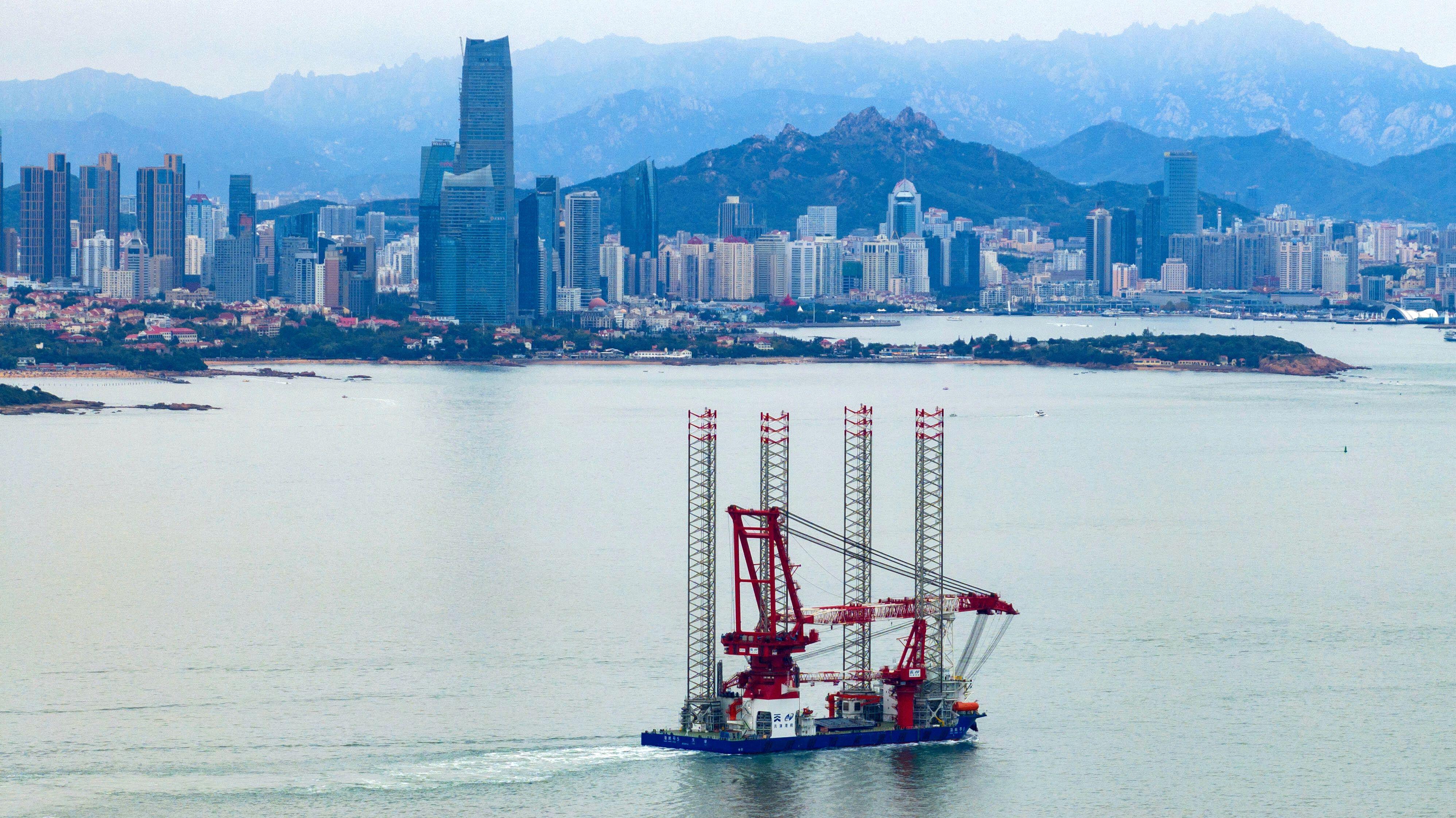
Offshore wind heavy maintenance demand is gathering momentum in line with the growing number of commissioned turbines worldwide. Demand is set to see further pressure in the near term as long-term service contracts—which were set up to ensure vessel availability for heavy O&M needs—come to an end.
Rising demand leaves developers at a crossroads: do they extend these service contracts, or find new providers on an ad hoc basis? And, crucially, is there vessel supply available to accommodate the increasing needs of the sector? Likewise, vessel managers, service providers, and manufacturers all have market monitoring requirements as they work towards fulfilling this demand.
This is where the new Heavy O&M module within Spinergie’s Market Intelligence solution comes into play.
Read More: Why offshore wind turbines fail and the market impact of heavy maintenance
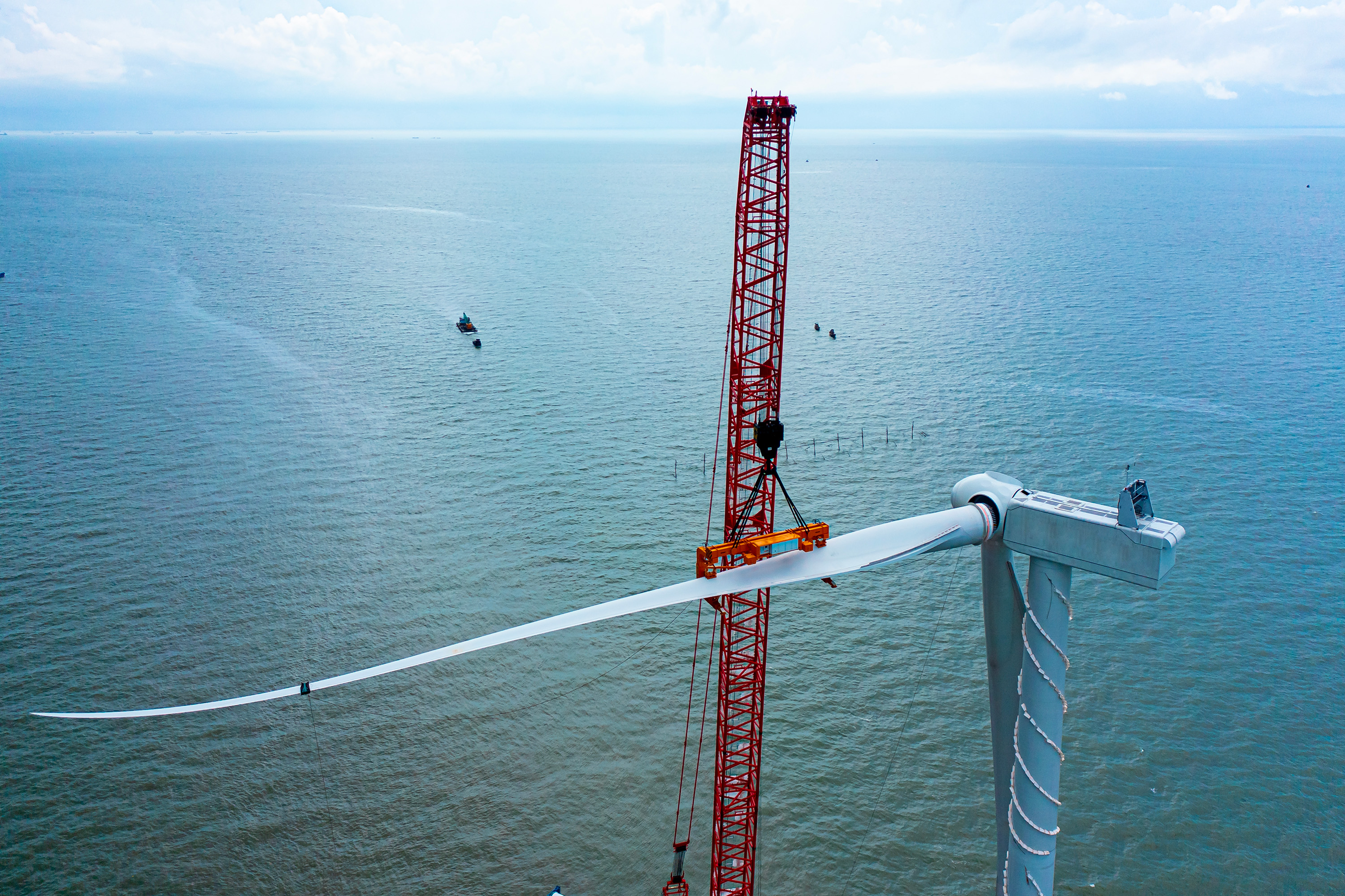
Jackup intervention, also known as Heavy O&M, is the replacement or repair of major offshore wind components. Due to the “heavy duty” nature of the components involved - gearboxes, main bearings, generators, and blades - jackup lift capability is required to handle them safely.
This differs from Light O&M which is undertaken using Service Operation Vessels (SOVs), Crew Transfer Vessels (CTVs), and helicopters. These operations are geared around technician access to the offshore turbine, and minor upkeep and maintenance will be undertaken on site.
Read More: Offshore Wind Maintenance: Defining the right strategy (Free Webinar Replay)
There are four main offshore wind turbine components that require Heavy O&M should they need to be repaired or replaced.
The available public data around Heavy O&M is frustratingly thin. Yet, this lack of data can have real commercial consequences for market players.
Failure rate data is at the heart of this visibility issue. Understandably, failure rates are commercially sensitive and are never publicly disclosed. While news coverage and AIS data tell part of the story, it can be complicated to put it all together.
Using the dual approach of Spinergie’s proprietary algorithms alongside intricate analyst knowledge, our new Heavy O&M module is designed to give each aspect of the market - developers, vessel managers, and service providers - the intelligence they need to plan and successfully navigate increased demand.
Spinergie Market Intelligence, including the new Heavy O&M module, is designed to support your decision making regardless of whether you are a developer, vessel manager, independent service provider, or manufacturer.
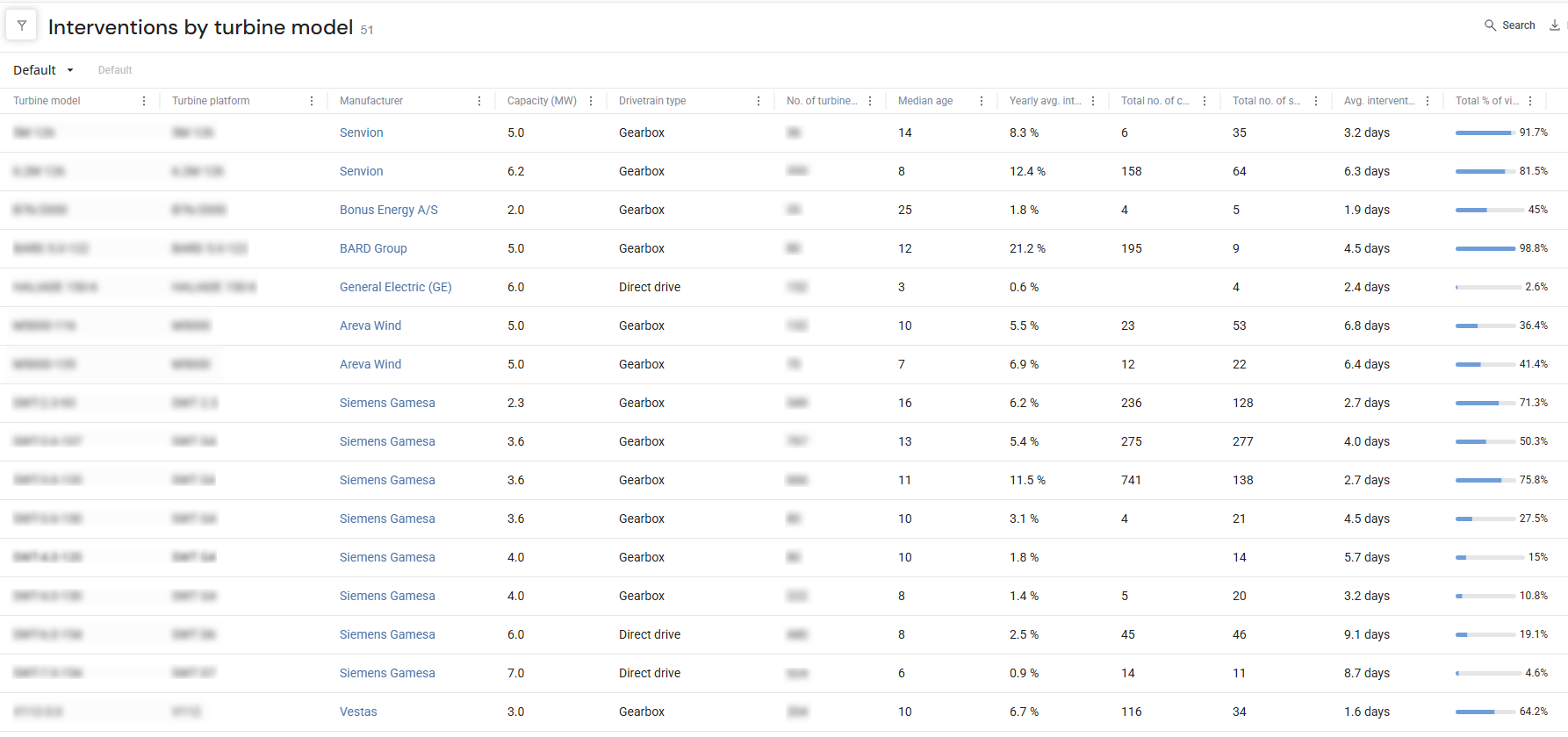
The primary use case is to accurately size future heavy maintenance requirements, with a detailed breakdown by turbine model and capacity. Rather than relying on rule-of-thumb estimates or manufacturer guidance, you can interrogate actual intervention history for specific turbine models - or turbines sharing the same characteristics such as manufacturer or drivetrain type - understand how maintenance demand evolves as turbines age, and build capital and operational plans on a firmer evidential base.
When used in conjunction with Spinergie’s Wind Forecast Module, you access further availability intel for the vessels that are capable of undertaking Heavy O&M to your project’s specifications.
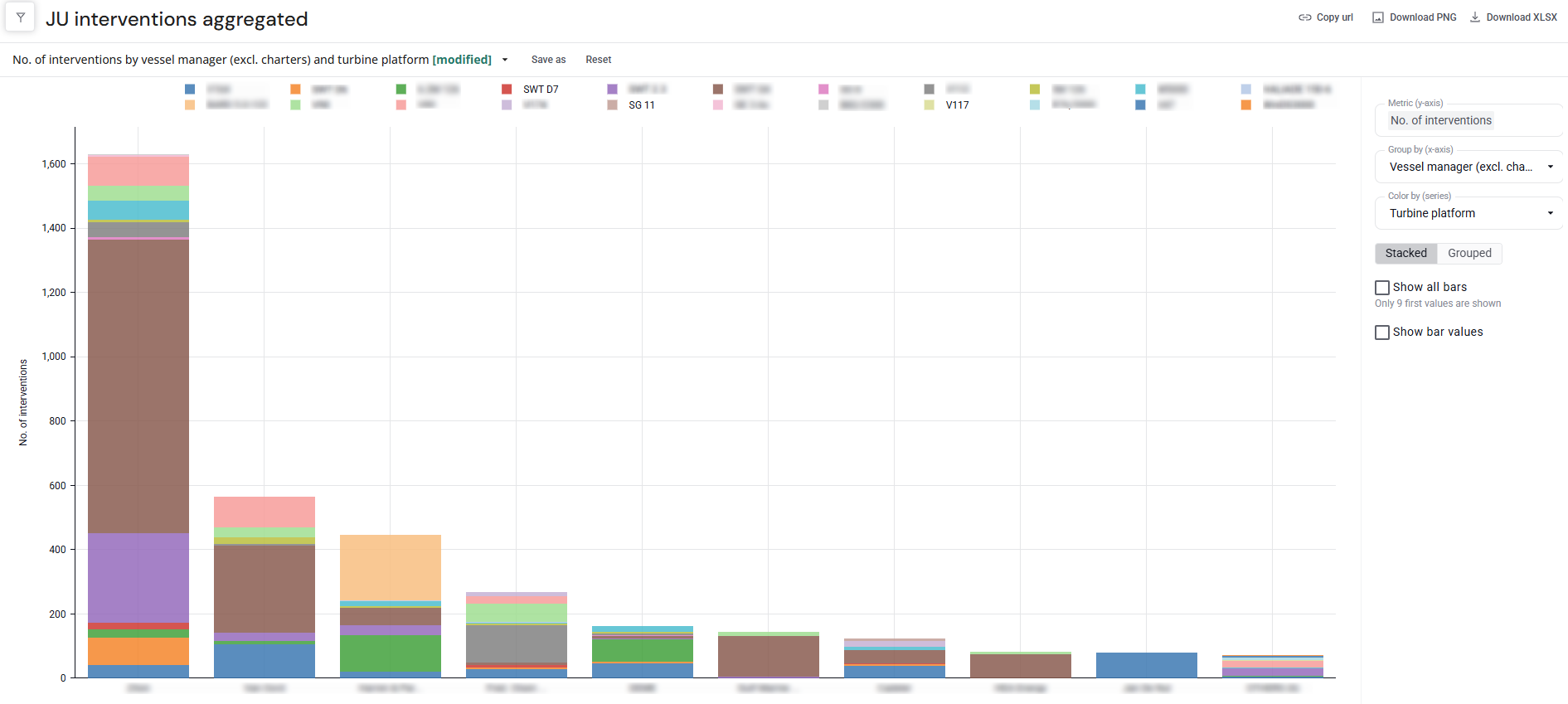
JU vessel managers and independent service providers can use the module to quantify their addressable market and sharpen their commercial pipeline. The module makes it possible to identify which turbine platforms are generating the highest intervention volumes, which projects are most active, which vessels are winning work, and where long-term service contracts are approaching expiry. With Spinergie, you secure the precise intelligence needed to target the right opportunities at the right time.
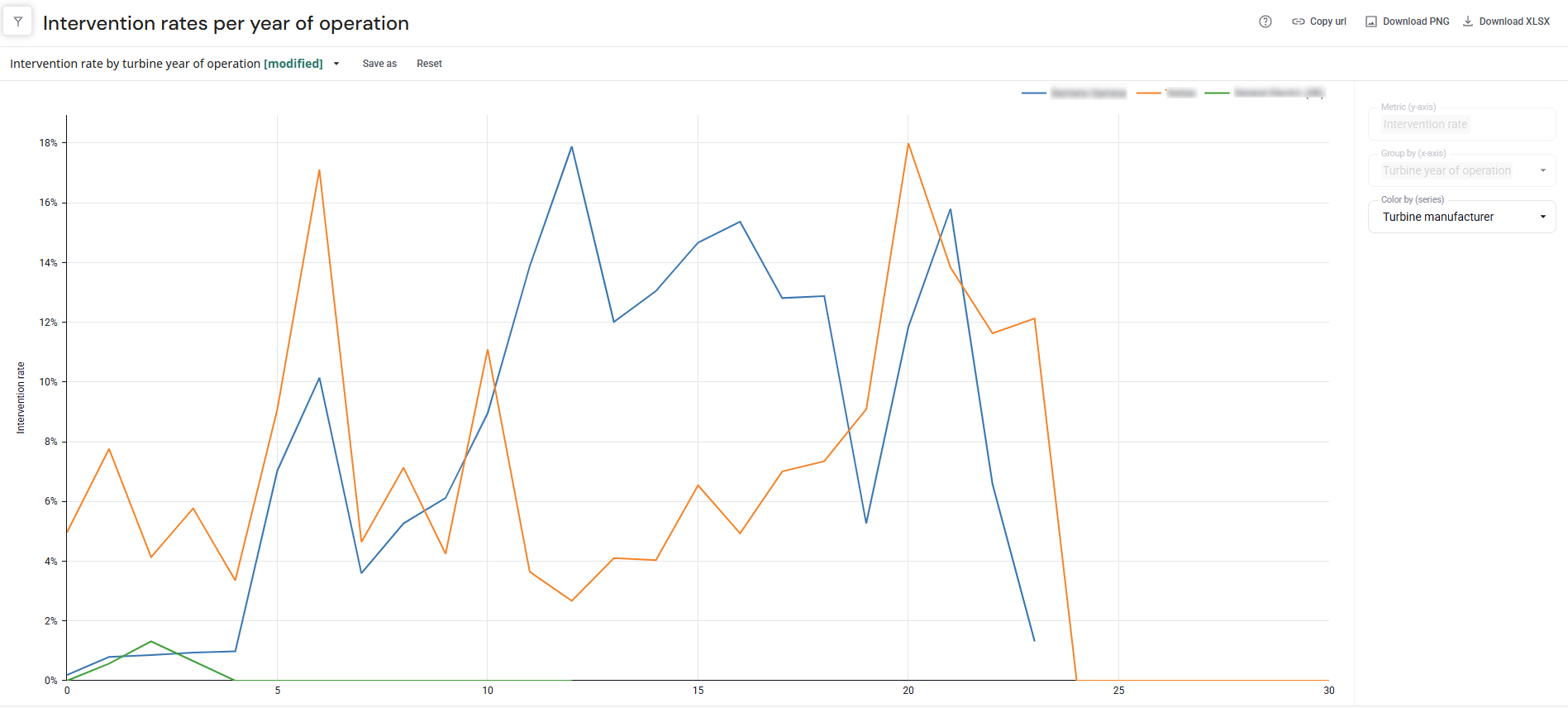
Turbine manufacturers can benchmark intervention rates across models and platforms. Meanwhile, market players assessing any emerging integrated services opportunities, have access to a full picture of the market to help them in commercial structuring decisions.
See exactly what’s happening in your market. Request a demo of our Heavy O&M module today, and we’ll walk you through the data and features that are most relevant to your operations.