


Global Maritime Emissions Regulations
The International Maritime Organization (IMO)
The IMO is a specialist United Nations agency tasked with ensuring the safety and security of shipping and preventing marine and atmospheric pollution from those ships. A key aim is to create a level playing field for all ship operators while encouraging innovation and efficiency.
Within IMO, the Marine Environment Protection Committee (MEPC) is the main technical body that oversees the implementation of the MARPOL treaty. It was established to address environmental issues including the reduction of GHG in shipping.
MARPOL, short for marine pollution, is the IMO’s core convention and aims to prevent pollution from ships by either operational or accidental causes. While the treaty was originally signed in 1973, it only came into effect in October 1983. Approximately 156 states are party to the treaty which covers over 99% of the world’s shipping tonnage.
Timeline of key IMO emissions regulations
%201.avif)
Access the IMO’s in-depth timeline including regulations, project implementation and support measures.
SOx and NOx Regulations
SOx and NOx are air pollutants originating from fuel combustion. SOx relates to fuel sulfur content. NOx is produced by the reaction between nitrogen (N2) and oxygen (O2) at high temperatures in the engine combustion chamber.
MARPOL Annex VI first introduced SOx and NOx emission regulations in 2005 as a measure to reduce air pollution. NOx and SOx regulations are applicable in all countries that have ratified MARPOL Annex
VI, however, Emissions Control Areas (ECAs) carry even stricter regulations. ECAs include the Baltic Sea, North Sea, North America—including the United States Caribbean Sea and Hawaii, and the Mediterranean Sea. The Canadian Arctic and Norwegian Sea have been included for NOx emissions since March 1, 2026, and will incorporate SOx emissions from March 1, 2027.
ECA Areas
%201.avif)
SOx (Sulfur Oxides) Regulations
For countries that have ratified MARPOL Annex VI, the global sulphur limit for marine fuel is set at 0.50% by mass (m/m) (down from 3.50% since January 1, 2020). In ECAs this limit is even lower—0.10%.
ECA SOx enforcement requires ships to flush their fuel system and use compliant fuels before entering the area. All of this information must be logged and changeover time must be determined using a ship-specific calculation based on system volume, sulphur contents and current consumption. Fuel may only be switched back after the ship has left the ECA.
SOx compliance can be ensured through the use of low-sulfur fuel oils (LSFO/ULSFO) or by the use of exhaust cleaning systems (scrubbers).
These fuels can either be Very Low (VLSFO) containing 0.50 sulfur or less;Ultra-Low (ULSFO) with less than 0.10% sulfur—these are the fuels primarily used in ECAs; andLow (LSMGO) which is a light dilate
Onboard devices that remove sulfur oxides from the engine exhaust. They can use either seawater or freshwater mixed with an alkaline chemical, or a combination of both depending on water conditions and local regulations.
NOx (Nitrogen Oxides) Regulations
Outside of ECAs, countries must meet the IMO’s Tier I and Tier II NOx limits, however, NOx emissions for ships in ECAs must meet Tier III standards.
The IMO limits for nitrogen oxides emissions as a function of the engine speed and Tier categorization
%201.avif)
Applies to ships with keels laid after 1 January, 2000. This baseline limit is based on RPMengine speed and uses the formula 45 x n -0.2 g/kWh as a standard for engines with speedsbetween 130 and 2,000rpm.
Applies to ships with keels laid after 1 January, 2011—it requires a 20% reduction on Tier Iemissions.
Applies to ships with keels laid after 1 January 2016, and which operate in an existing NOx ECA. It requires an 80% reduction on Tier I emissions.
Tier I and II compliance can be achieved through fuel optimisation and pre-combustion control technologies that lower the peak combustion temperature of the engine. Tier III compliance requires additional measures including Selective Catalytic Reduction (SCR) and Exhaust Gas Recirculation (EGR) technology.
SCR : an exhaust aftertreatment process that uses aqueous ammonia to convert NOx into harmless gasses.
EGR : an engine technology that redirects a portion of exhaust gas back into the combustion chamber to lower peak combustion temperatures and, in turn, reduce NOx emissions.
Energy Efficiency Design Index (EEDI)
The IMO took the first step towards mandatory global greenhouse gas (GHG) reduction systems when it introduced the Energy Efficiency Design Index (EEDI) and the Ship Energy Efficiency Management Plan (SEEMP)—see below—on January 1, 2013. EEDI applies to newbuilds built after 2013 while EEXI (which was introduced later, see below) applies to existing vessels.
EEDI promotes the use of more energy efficient equipment and engines with a minimum energy efficiency level per capacity mile for different ship types and sizes. As a non-prescriptive measure, ship designers are free to use the most cost-efficient solutions available to them, as long as the newbuild is compliant. This regulation tightens every five years in order to encourage continued technological innovation.
Ship Energy Efficiency Management Plan (SEEMP)
While the EEDI is design-technology focused, SEEMP has an overall goal of encouraging the use of new technologies and practices to improve energy efficiency. There are three parts.
SEEMP I applies to ships of 400 GT and above with the aim of monitoring and developing ways to reduce carbon emissions through more efficient operational and management practices.
SEEMP II only applies to ships of or over 5,000 GT. It focuses on energy efficiency and requires each ship to collect, aggregate and report data including annual fuel consumption, distance travelled, and hours underway, in order to determine fuel efficiency. This data is shared with the ship’s flag state, which then shares it in the DCS (see below).
SEEMP III is a mandatory document for each vessel. Using data from SEEMP II, SEEMP III aims to establish an operational Carbon Intensity Indicator (CII-see below). This measure allows for the evaluation of fleet efficiency performance across various types and sizes using the same energy efficiency measures. This document is continuously updated and kept on board alongside a valid Confirmation of Compliance (CoC).
Data Collection System (DCS)
Since January 1, 2019, ships of 5,000 GT and above have been required to collect consumption data for each type of fuel that they use. This data is used to inform further greenhouse gas (GHG) reduction measures and to determine the operational Carbon Intensity Indicator (CII).
Data is reported to flag states and verified before a Statement of Compliance (SoC) is secured each year. Verified data is held within the IMO’s Ship Fuel Oil Database.
Energy Efficiency Existing Ship Index (EEXI)
Effective from 1 January 2023, the EEXI framework applies to ships built before 2023 but which did not already meet EEDI requirements (see above). This is a mandatory requirement that aims to ensure that all international vessels over 400 GT meet technical, design-based CO2 emissions standards. Unlike EEDI, which applies to newbuilds, EEXI requires shipowners to make changes to their existing vessels through retrofitting emissions-reduction technologies or making other technical improvements.
What are the differences between EEDI and EEXI ?
%201.avif)
Carbon Intensity Indicator (CII)
The Carbon Intensity Indicator (CII) was introduced on 1 January 2023 as an annual efficiency target that gets stricter over time to force ships into cutting emissions. Each year, a ship’s actual emissions are compared against their target in order to determine an official rating for how energy efficient the vessel is.
Based on the achieved CII, vessels are assigned a rating from A to E, with A being the highest. This is a dynamic indicator that must be documented annually in the vessel’s Statement of Compliance (SoC) and further integrated into the SEEMP (see above). This regulation is designed to be self-correcting. If a vessel fails to meet the minimum efficiency standards, mandatory intervention is required.
Three consecutive ‘D’ Ratings trigger a mandatory corrective action plan.
A single ‘E’ rating requires immediate submission of a plan to return to ‘C’ or higher.
How a CII rating can develop without any improvements ?
%201.avif)
Improvements can be made through measures such as hull cleaning, speed and routing optimisation, installation of low-energy light bulbs and the installation of solar/wind auxiliary power for accommodation services. The IMO’s CII regulation only applies to ships of or over 5,000 GT such as tankers, bulk carriers, and container ships.
.jpg)
How an Activity-Indexed Carbon Intensity Indicator (AICII) works for the offshore sector
The risks of CII non-compliance
The IMO has not yet introduced financial penalties for non-compliance with CII, however, there are certain consequences at stake.
A ship rated E in a single year, or D for three consecutive years, cannot receive its Statement of Compliance (SoC) unless the SEEMP Part III is revised with a verified corrective action plan. Failure to have a valid SoC on board can result in a ship being detained until the situation is rectified.
There are potential commercial consequences. Major charterers are using CII ratings in their selection criteria, which means ships with D or E ratings are often excluded from tenders. Furthermore, banks are increasingly tying interest rates to how a vessel aligns with decarbonisation targets. Therefore, a poor CII rating can make a ship more expensive to own and insure.
Net-Zero Framework
The IMO Net-Zero Framework is its strategy for reducing the greenhouse gas (GHG) emissions of the shipping sector with an ultimate goal of net-zero by (or around) 2050. It aims to establish a global system where all applicable ships (5,000 GT or above, regardless of flag) must use cleaner fuels or technologies. This will be incentivised through a pricing mechanism, with fees if GHG intensity is found to be too high. There will be rewards for ships using cleaner fuels.
This will be applied to the global fleet through annual reporting. Each ship must report its GHG fuel intensity to the IMO each year. This number must meet set limits, which will become stricter every year. Mechanisms will be in place to balance the excess deficit by using fuel units transferred from over-compliant ships (or which have been banked from previous years), or by paying for remedial units via the Net Zero Fund. Enforcement will lie with each member state.
There are several checkpoints along the way to Net Zero using 2008 levels as a baseline comparison including a 20% (striving for 30%) reduction by 2030 and a 70% (striving for 80%) reduction by 2040. Draft regulations (the addition of the Net-Zero Framework to MARPOL Annex VI) were approved in April 2025 during the Marine Environment Protection Committee’s 83rd session (MEPC 83) to include both a new fuel standard for ships and a global pricing mechanism for emissions (see below for further details).
All ocean going ships over 5,000 GT are covered by the Net-Zero Framework. Ships under 5,000 GT are not currently covered, however, discussions around including ships and offshore vessels between 400 and 5,000 GT have begun. These draft regulations were expected to be approved by the MEPC during an extraordinary session in October 2025, however, following several days of intense negotiations without a consensus, the decision was made to adjourn the final adoption of the framework for one year. A total of 57 countries were in favour of the delay, 49 were against it, and 21 abstained from the vote. Following this adjournment, the framework is now expected to come into force in 2028.
While the initiative has received broad support, there remain several unresolved design elements including: default emission factors and lifecycle accounting for fuels, certification schemes for sustainable and zero-emission fuels, infrastructure for a central compliance registry, and pricing and governance for post-2030 “remedial units”. There were three broad categories of opinion during the debate: proactive coalition which advocated for decisive collective action and stronger measures; cautious supporters who endorsed the framework objectives, and opponents who rejected the principle of a global pricing mechanism altogether. While the delay does not alter the formal timeline, it underscores the difficulty of turning consensus into implementation. The challenge ahead is to avoid further polarisation within the IMO.
MEPC 84 (27 April – 1 May 2026) marked the first resumption of negotiations on the NZF since the adjournment of the extraordinary session MEPC/ES.2 in October 2025. Despite a coordinated push to weaken or reopen the text, the NZF emerged intact as the sole agreed basis for continued negotiations. A majority of member states accepted the NZF as originally agreed at MEPC 83 in April 2025, effectively reversing the dynamic that had led to the adjournment. Geopolitical divisions remain significant — the US, Saudi Arabia, the UAE, Panama, and Liberia were among the main opposing voices. Formal adoption is now scheduled for a resumed extraordinary session in December 2026, preceded by two intersessional working groups — one in September and one immediately ahead of MEPC 85.
.webp)
What the Net-Zero Framework delay means for the maritime industry
European Maritime Emissions Regulations
The EU’s maritime emissions regulations are part of the region's ‘Fit for 55’ package—a set of laws that aim to reduce greenhouse gas (GHG) emissions by at least 55% by 2030. From there, the long term plan is for the EU to achieve climate neutrality by 2050. There are currently three core regulations impacting the maritime sector: EU MRV, EU ETS, and FuelEU Maritime.
EU Maritime Emissions Regulations
%201.avif)
EU MRV (Monitoring, Reporting, and Verification)
EU MRV (Monitoring, Reporting, and Verification) is the backbone of the EU’s maritime regulatory structure. Initially introduced in 2015, the EU MRV, aims to assess the environmental impact of maritime transport by collecting and reporting emissions data. Until January 1, 2025, the regulation only applies to ships above 5,000 GT on EU-related (within, to, or from, an EU port) voyages, irrespective of their flag. However, it now includes general cargo ships between 400 and 5,000 GT, and offshore vessels of 400 GT and above.
There are three primary obligations that companies must meet to comply with EU MRV: a Monitoring Plan, an Emissions Report, and a Document of Compliance (DoC). The EU MRV differs from the IMO DCS as it requires voyage-by-voyage reporting unlike the IMO which allows for annual, aggregated data.
Monitoring Plan
All ships that fall under EU MRV criteria must have a monitoring plan (MP) which must be verified by an accredited MRV shipping verifier. The MP should include a description of how the shipowner intends to monitor and report emissions for each ship.
Emissions Report
An Emissions Report must be compiled for every ship that performs maritime transport activities in the EU and European Economic Area (EEA) during the previous calendar year/reporting period. This report includes key information about each voyage including fuel consumed, distance travelled, and cargo carried. It shows CO2, CH4 and N2O emissions.
Document of Compliance (DoC)
Once the aggregated Emissions Report has been submitted to verifiers, it is verified against operational and bunkering data, as well as any available external data. This must be submitted to the European Commission by March 31 of the year following the reporting period. The DoC must be carried onboard the vessel.
Stages of EU MRV Compliance
%201.avif)
EU ETS (Emissions Trading System)
Timeline of the EU ETS regulation
%201.avif)
The EU ETS (Emissions Trading System) is the EU’s carbon trading system. It requires ship owners to pay for their emissions by purchasing and surrendering EU emission allowances (EUA) for each tonne of reported CO2 emissions.
Since its introduction in 2024, only cargo and passenger ships over 5,000 GT have been included in the EU ETS scope. However, offshore vessels over 5,000 GT will also be included from 1 January, 2027. The inclusion of smaller cargo ships, and offshore vessels, between 400 and 5,000 GT will be reviewed by the European Commission by the end of 2026.
Only carbon dioxide emissions (CO2) emissions were included before January 2026, however, it now incorporates methane (CH4) and Nitrous Oxide (N2O) emissions.
The parameters of EU ETS are relatively straightforward. Every registered emitter surrenders a corresponding amount of allowances purchased through an auction system. Allowances are required for commercial operations within EU boundaries and between EU and International ports.
100% of emissions within EU ports (when ships are at berth).
100% of emissions between EU ports.
50% of emissions of voyages between EU and non-EU ports.
How EU*/Non-EU reporting is handled
%201.avif)
EU ETS was phased in over time. In 2024, only 40% of emissions were covered. This rose to 70% in 2025, but since 2026, 100% of emissions are included.
EU ETS Penalties
Failure to comply with EU ETS comes with strict penalties. If a shipowner fails to surrender the requiredEU Allowances (EUAs) by the annual deadline of September 30 the following year (e.g. for the 2025 reporting year, the surrender deadline is September 30, 2026), they are given a penalty of €100 per tonne of CO2. This fine is in addition to the obligation to buy and surrender the missing allowances. This means you are effectively paying for your carbon twice.
If a shipowner fails to comply for two or more consecutive reporting periods, the EU may issue an expulsion order.
FuelEU Maritime
FuelEU Maritime aims to promote renewable and low-carbon fuels, and bring forward their large-scale production. Focusing on Well-To-Wake (WTW) emissions, it restricts the greenhouse gas (GHG) intensity limit of energy used onboard, and by reducing the carbon content of maritime fuel.
This is intended to encourage the use of biofuel in the short term, but pave the way for the future use of other alternative fuels.
Only commercial ships over 5,000 GT that can transport passengers or cargo currently fall under the FuelEU Maritime regulation. The offshore fleet is currently excluded from the regulation. It also only applies to ships calling at European ports regardless of their flag. Like EU ETS, it covers 100% of voyages between two EU or EEA ports, and 50% of voyages between an EU/EEA port and a port outside of the region.
The regulation plan sets overall targets over time: a 2% drop in GHG intensity in 2025, up to 80% in 2050. However, targets are expected to increase to reflect the technological developments to come, as well as the anticipated uptick in the production and use of renewable and low carbon fuels. The full lifecycle of fuels is covered on a WTW basis, meaning it covers the same emissions as EU ETS: carbon dioxide (CO2), methane (CH4), and nitrous oxide (N2O).
While the regulation leaves it up to shipowners to decide which fuels to use, there are additional sub-targets which promote the usage of Renewable Fuels of Non-Biological Origin (RFNBOs) or e-fuels. A mandatory 2% sub-target is implemented when these fuels account for less than 1% of the total energy used by 2031.
FuelEU Maritime applies to ships at port in order to mitigate in-port emissions. It mandates using an on-shore power supply or alternative zero-emission technologies while the ship is at berth.
A series of flexible mechanisms: pooling, banking, and borrowing, have been introduced to help shipowners meet FuelEU compliance requirements.
Pooling
Pooling uses the excess GHG reductions from one ship to offset shortfalls from another ship. This can be kept “in-house” among a shipowner’s fleet, or in collaboration with another company. Pooling comes with strict rules:
Shipowners must confirm their intentions to pool within the FuelEU Maritime database, with all pool details to be validated by all participating companies.
A ship’s compliance balance must only be included in one pool within the same reporting period.
Two separate pools may be used for the GHG intensity target, and the RFNBOsub-target.
Banking
Banking allows shipowners to bring a ship’s prior GHG surplus balances into a future compliance period.
The banked surplus does not expire—it can be used in one, two or more successive years.
Banked surplus is cumulative, should the compliance balance be positive at the end of each reporting period.
Borrowing
Borrowing is designed to be a temporary solution. It allows ships to borrow compliance credit from a future period in order to comply with the current period. It is expected that shipowners will only use borrowing during periods of under performance, and will not use it as an effective long-term strategy.
FuelEU Maritime Penalties
Shipowners who fail to comply with FuelEU Maritime are at risk of costly penalties. The financial penalty is calculated at €2,400 per tonne of VLSFO-equivalent (Very Low Sulfur Fuel Oil) energy that exceeds the mandated GHG intensity limit. The exact quantity is decided according to the compliance deficit reported at the end of the year.
The deficit is determined using the “Compliance Balance” reported at the end of the period. This compliance balance is calculated by subtracting the ship’s GHG Intensity from that year’s FuelEU GHG intensity target. The resulting balance is the basis for calculating the penalty.
If a shipowner has a compliance deficit for two or more consecutive reporting periods, it faces an increased penalty, which is adjusted based on the duration of consecutive non compliance. Should penalties go unpaid, additional consequences can include expulsion from ports, flag detentions, and potentially restricted access to ports in EU member states.

How to avoid the hidden risks of regulatory non-compliance
Regional Maritime Emission Regulations Outside of the EU
The United Kingdom
The UK’s independent regulatory framework is heavily based on the EU’s ‘Fit for 55’ model, but it operates with a different scope and timeline that requires separate monitoring and accounting. The overall goal for the UK’s domestic maritime sector is zero fuel lifecycle greenhouse gas (GHG) emissions by 2050. A reduction of at least 30% is planned for 2030 and 80% by 2040 (relative to 2008 levels).
UK MRV (Monitoring, Reporting, and Verification)
The UK MRV regulation came into force in January 2022, with the first reporting period in 2023. It is very similar to the EU MRV scheme. As such, vessels that also fall under the EU MRV regulation can use the same monitoring plan (MP) with some updates to apply to UK legislation.
Currently, the regulation only applies for vessels on or above 5,000 GT. It applies to voyages between two UK ports, between a UK and non-EEA port, emissions generated within a UK port, emissions generated for voyages between a UK and non-EEA port, and voyages between a port in the UK and UK Overseas Territory or Crown Dependency port. Voyages between a UK and EEA port do not apply as these are only reported in the EU MRV to avoid double reporting.
Brazil
Brazil is making moves to introduce maritime emissions regulations and initiatives as part of its overall goal to reduce GHG emissions by 59-67% by 2035 (compared to 2005 levels). The focus is on cleaner fuels, upgrading infrastructure and regulatory frameworks.
Ministry of Ports and Airports Initiatives
In early 2026 it was announced that the Brazilian government had introduced two emission reduction initiatives aimed at ports and shipping. The framework will require the monitoring of GHG emissions including direct and indirect emissions. These measures will be used to define targets and assess emission-reduction progress.
The Emissions Trading System: Sistema Brasileiro de Comércio de Emissões de Gases de Efeito Estufa (SBCE)
The Brazilian ETS is currently in its regulatory definition phase, so no maritime mandates have been decided. However, the cap-and-trade system, similar to those in the EU and UK, is expected to be operational by the end of the 2020s.
United States of America (USA)
The USA offers a unique regulatory landscape because of the dual enforcement of national and state-level environmental mandates. The Trump administration has initiated a pull-back from supporting the IMO’s global Net-Zero Framework (which creates a divergence between ships trading in the U.S. and the EU); there remain some domestic air and water quality initiatives.
The Clean Shipping Act
A new clean shipping act 2025 has been recently proposed but it is unlikely to be voted into force while President Trump is in place.
The Clean Shipping Act of 2025 is a legislative proposal that would amend the Clean Air Act to direct the Environmental Protection Agency (EPA) to set progressively tighter carbon intensity standards for marine fuels and operations. It will apply to large commercial vessels that enter, depart, or move between U.S. ports, with the goal of cutting greenhouse gas emissions in line with climate science and ultimately eliminating them by 2050.
The bill also seeks to require zero emissions from ships at berth or at anchor in U.S. ports by 2035, protect the health of port communities disproportionately affected by air pollution, and accelerate the transition to cleaner fuels and technologies in the maritime sector. However, as of Q1 2026, it remains a proposal pending in committee and has not been enacted into law.
International Maritime Pollution Accountability Act
A proposal of an International Maritime Pollution Accountability Act has also been reintroduced. This aims to decarbonise the maritime shipping industry, prevent the release of criteria air pollutants in port communities, and revitalise the U.S. shipping industry. This legislation would reinforce the existing carbon price regulations from the IMO with support to companies that pioneer clean technologies. The main action points for the Act are as follows:
A pollution fee applied to the largest marine vessels offloading cargo at U.S. ports.
A $150-per-ton fee on carbon emissions of fuel burned on an inbound trip for ships over 5,000 GT. Additional fees will apply to nitrogen oxides ($6.30/lb), sulfur dioxide ($18/lb), and particle pollution (PM2.5) ($38.90/lb).
50% of emissions of voyages between EU and non-EU ports.
It is anticipated that proceeds from these fees will provide funding for modernising the Jones Act fleet with low-carbon vessels to revitalise U.S. shipbuilding, and address pollutants for American port communities.
Maritime Emissions in the Offshore Sector
The offshore sector brings unique regulatory challenges because of the diversity and complexity of the fleet and its activities.
International Offshore Emissions Regulations
In terms of air pollution, several IMO regulations incorporate the offshore sector including NOx and Sox emissions under MARPOL Annex VI for vessels over 400 GT. Furthermore, ships over 400 GT and above must calculate the Energy Efficiency Existing Ship Index (EEXI). This includes some offshore vessels.
The Carbon Intensity Indicator (CII) offshore conundrum
IMO regulations are complicated when it comes to the offshore sector. Currently, the IMO’s CII regulation only applies to vessels over 5,000 GT, however, several offshore vessel owners are making proactive moves to apply a CII that works for offshore operations to their fleets below this threshold.
At Spinergie, we have adapted this maritime transport-oriented approach used by the IMO to suit the offshore fleet.
Essentially, for a CII to work for the offshore fleet, it must reflect the several different tasks undertaken by offshore vessels—distance travelled is not an accurate proxy for “work done” as it is in the shipping sector.
How offshore "work" differs from shipping

For offshore, we have applied a minimum of three different activities: time ashore, time in transit, and operational. Operational may carry over 20 different modes depending on the vessel type (heavy lift, OSV, etc.). By calculating by activity, it is then possible to compare vessel performance during that specific activity and gauge which is the most efficient. This level of detail provides clarity to vessel owners as they look for areas to improve the efficiency of their operations.
An Activity-Indexed approach to defining an offshore ClI

How an Activity-Indexed Carbon Intensity Indicator (AICII) works for the offshore sector
GHG Regulations for Offshore Operations: Spinergie’s Emissions Model

European Offshore Emissions Regulations
Approximately 8,000 offshore vessels now fall under the EU’s Monitoring, Reporting, and Verification (MRV) regulation (those of 400 GT and above). Emissions data collected through MRV, will be used to determine carbon taxes for the regulations that are yet to incorporate the offshore fleet such as the Emissions Trading Scheme (EU ETS) and FuelEU Maritime. Both already apply to the shipping sector. Offshore vessels are set to be phased into the EU ETS scheme, while inclusion in FuelEU Maritime is yet to be determined.
MRV Reporting for the Offshore Sector
Like the CII calculation, EU and UK MRV reporting poses a challenge for the offshore sector: how should data be accurately recorded?
The EU MRV regulation had the shipping sector in mind when it was first introduced. This means that, within the initial framework, a voyage is primarily a straightforward transit journey from Point A to Point B. Offshore operations do not fit this model. For example, an offshore support vessel (OSV) “voyage” can include multiple activities including a Dynamic Positioning (DP) period, being on standby, or undertaking short transits between installations. This is the tip of the iceberg given the multitude of activities (and so consumption modes) undertaken by different vessel types in this sector.
The EU MRV framework has refined the definition of port calls:
From the last port of call to a port under the jurisdiction of a member state.
From a port under the jurisdiction of a member state to the next port of call.
Between ports under the jurisdiction of a member state.
This goes some way to help better define an offshore “voyage” but further precision is required for accuracy. Under this framework a port of call is where a vessel stops to load or unload cargo, embark or disembark passengers, or relieve crew. Additionally, offshore facilities (such as FPSOs or platforms) with an assigned UN/LOCODE identifier are considered ports. This detailed framework ensures that emissions tracking and compliance are aligned with the unique operational profiles of offshore vessels.
What offshore reporting looks like under EU MRV

.webp)
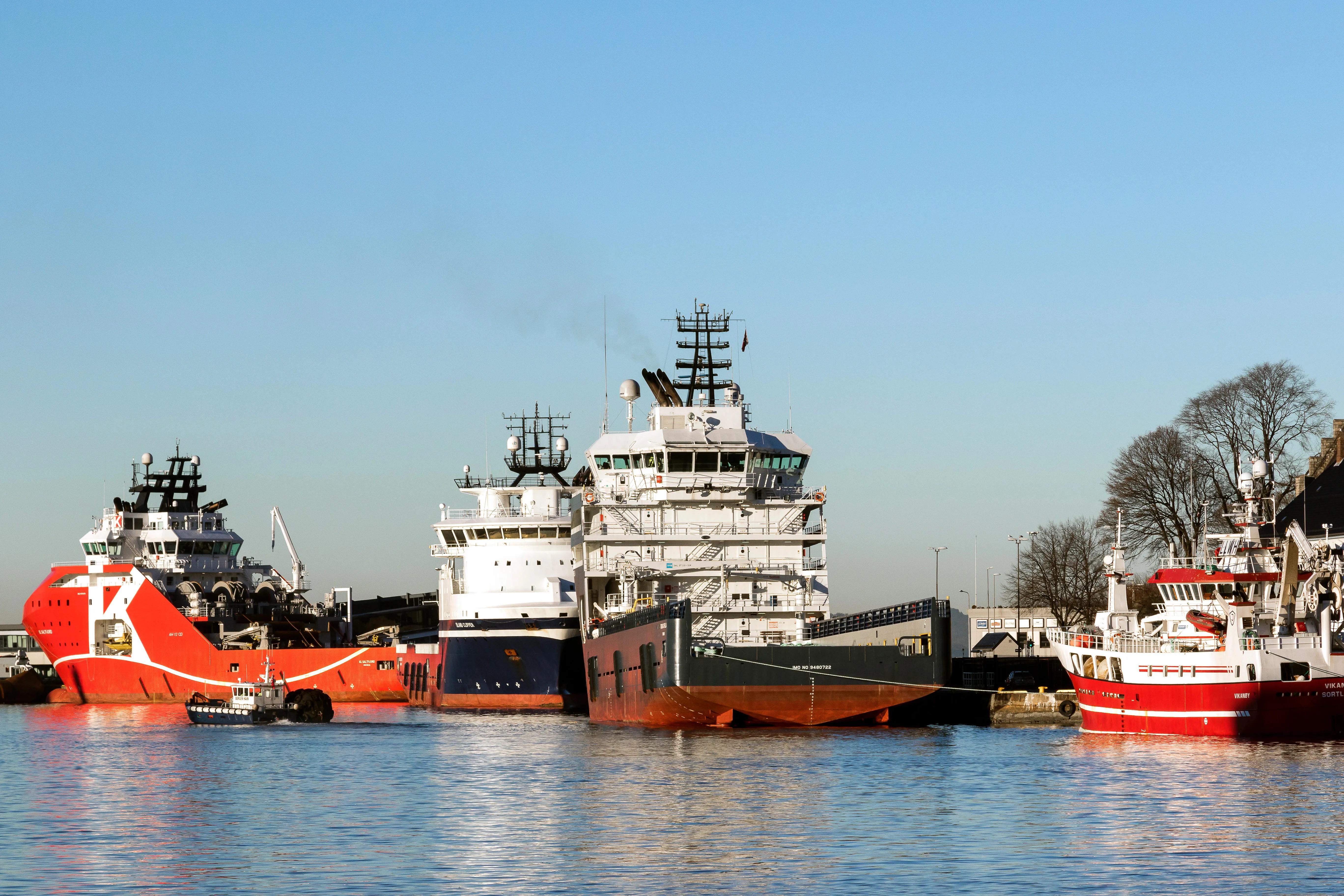
Achieve seamless EU MRV compliance with Spinergie as your trusted partner

Verification and compliance for maritime regulations
Regulatory compliance has the potential to be a major burden for crews and offshore staff. For crews it adds additional reports to an already heavy administrative load. Onshore staff have the task of compiling data from multiple sources, or facing a chase against the clock at the end of the year to submit clean data to the verifier before deadlines hit. Both of these scenarios are unsustainable. Thankfully, with modern digital reporting solutions it is possible to streamline the entire end-to-end process and improve overall efficiency at the same time.
The key regulatory compliance players
The Regulator
Regulators include the IMO, the EU, and the UK ETS Authority. These are the organisations that establish the GHG reduction frameworks that each regulation is based on. They do this via monitoring, setting performance standards, enforcing carbon pricing, and establishing programmes to promote the use of cleaner fuels and emission-reduction technologies.
The Verifier
There are a number of verification services which verify the data before it is sent to the regulator. They ensure data is clean, accurate and compliant. They are responsible for a number of regulatory areas but here we focus on those responsible for emissions (e.g. EU MRV, FuelEU Maritime, and IMO DCS). Verifiers include:
The Shipowner/Manager
Shipowners/managers are responsible for ensuring that their fleet complies with regional and international maritime regulations. They must ensure their vessels undergo the necessary upgrades or behaviour changes to ensure emissions are reduced or they will face penalties that include fines, liabilities, and port detentions. The easiest way for a shipowner to ensure their efforts are keeping them on track is to use a digital reporting system and establish a streamlined verification workflow.
Efficient maritime regulatory compliance starts with reporting
Digital reporting, as found in Spinergie Smart Fleet Management, reduces the amount of manual data input required from crews, stops mistakes cascading through the system undetected, and ensures verification is a smooth year-round process.
What an effective reporting platform needs
The Shipowner/Manager
Crews are routinely asked to record the same information across multiple documents: operational logs, emissions records, charterer reports, and more. Every manual re-entry creates a new opportunity for inconsistencies to appear. An effective reporting platform captures data once and automatically populates it across every relevant output, eliminating redundancy and reducing the risk of human errorfrom the outset.
Reporting interface within Spinergie SFM

Multi-source input
A robust platform consolidates data from multiple onboard sources — fuel sensors, GPS/AIS tracking, weather systems, engine sensors — and processes them into a single source of truth. This removes the need to manually cross-reference fragmented data streams and ensures that the figures underpinning every report are consistent, traceable, and accurate.
Reporting interface within Spinergie SFM

In-built quality checks
Data quality should be built into the reporting process. Input validation, mandatory fields, and structured data formats flag impossible or inconsistent readings at the point of entry, before they cascade through the system unchecked. When issues arise in June, they are caught in June, not at year-end with deadlines and potential penalties looming.
SM includes quality checks from the point of input

Automated document routing
Once validated, reports should reach the right recipients without manual intervention. Automated routing to verifiers, flag administrations, and internal stakeholders removes the administrative burden of document management, eliminates the risk of mis-sent or delayed submissions, and frees up crew and onshore teams for higher-value tasks.
SFM's intuitive document management

How to handle reporting biofuels
On paper, switching to biofuels is one of the most accessible levers for maritime decarbonization. In practice, however, it is one of the most demanding in terms of regulatory reporting. While fossil fuels are standardized and " plug-and-play, " biofuels require a dynamic, batch-specific approach to remain compliant with EU MRV and FuelEU Maritime.
How to accurately report biofuel bunkering
The primary challenge for ship owners is treating biofuels like traditional marine fuels.
(Standardised) Any 10 metric tons (mT) of MGO bunkered anywhere is treated the same by regulators. The emission factors are static and easy to look up.
(Variable) The Greenhouse Gas (GHG) intensity and Lower Calorific Value(LCV) change with every single bunker charge. They must also come with certification that is proof-stammed by another class of verifier, the “Proof of Sustainability” (PoS). Without this certification the fuel is not considered a biofuel and, under regulations, the VLSFO equivalent will be used to assess penalties.
If you bunker a B30 blend in January and another in February, they are, in terms of reporting, two entirely different fuels. If a crew reports "10 mT of B30" without specifying the batch, the verifier cannot calculate the CO2eq. accurately, leading to rejected logs and compliance gaps.
Therefore, there are two changes to be made when it comes to reporting biofuel consumption compared to fossil fuels.
When biofuel is used, the emissions factors must be obtained by the fuel provider and shared with the verification agency in order for the CO2eq to be computed.
Any biofuel burnt by the ship must be precisely linked to the corresponding bunkered batch.
Fossil fuel vs biofuel bunkering

Reducing biofuel reporting risk
Here are two key tips for accurate biofuel reporting:
While manual reporting is technically possible, managing batch-specific GHG parameters is a "nightmare" for crews.
A digital pipeline automates the link between a specific Bunker Delivery Note(BDN) and daily consumption.
Always implement a checkpoint to ensure the GHG parameters submitted to verifiers match your Proof of Sustainability (PoS) documents exactly. Discrepancies here are the leading cause of verification delays.
Spinergie Smart Fleet Management is designed to help you manage your biofuels and blends. Our system makes sure crews report their bunkers and consumption as usual, with no extra work. Then, we’ll automatically format your data per verifier requirements.
.jpg)
The challenge of reporting biofuels under EU maritime regulations
The importance of fully-integrated verification
For most shipping operations, verification has traditionally been a periodic, reactive exercise: data is compiled, submitted, and then a consolidated list of queries comes back from the verifier. The back-and-forth that follows is time-consuming, stressful, and entirely avoidable. Full integration between your reporting platform and your verification service changes that dynamic entirely.
The further an error travels down the pipeline before it is caught, the more problematic and costly it becomes to fix. With fully-integrated verification this is prevented from happening and:
all reports generated within the platform are automatically submitted for verification without any manual intervention,
chasing documents is eliminated with no risk of mis-sent files, and no last-minute scrambles to meet submission deadlines.
The benefits go beyond convenience. Because mandatory fields are enforced as a matter of daily practice, the data required for each regulation is captured consistently and stored securely throughout the year. For example, for EU-MRV, that means fuel consumption at port and sea, carbon emissions, transport work, distance sailed, and time at sea are all recorded as standard. Or, for IMO-DCS, total fuel consumption, distance traveled, hours underway, and design deadweight are captured automatically. Each report is structured according to the format required by the relevant regulation, minimising additional user input.
Integration also enables real-time visibility into data quality status. Ship managers can see at a glance where data meets the required standards and where it does not.
With Veracity by DNV integrated into Spinergie Smart Fleet Management, the feedback loop offers an extra level of support. When issues are identified, they can be traced back to their precise point of origin, corrected, and resubmitted. This continuous feedback loop means discrepancies are resolved when they occur, not weeks later under deadline pressure.
Streamlined compliance with Spinergie

Establishing a year-round compliance workflow
Build a good organisational habit
Regulatory compliance only becomes a burden when it is treated as an annual event rather than an ongoing operational practice. The teams that handle maritime regulations most effectively are not necessarily those with the most resources, instead they are those that have built consistent habits and systems that make compliance a routine part of daily operations.
Use data proactively
Planning for compliance also means using your data proactively, not just defensively. With accurate, up-to-date figures on fuel consumption, emissions, and transport work, shipowners can assess where their fleet stands against their targets at any point in the year.That gives time to adapt, whether that means assigning vessels to a banking or borrowing arrangement, assessing pooling requirements, or identifying which vessels need operational changes before penalties apply.
Establish continuous pre-verification
The foundation of that approach is continuous pre-verification. Spinergie Smart Fleet Management clients do not have to wait until the end of the reporting period to assess whether data is clean and complete. It evaluates data quality throughout the year, flagging potential issues at the point of entry and ensuring that problems are caught and resolved in real time.
Provide real-time access data for all teams
Teams need to be built around consistent monthly reviews rather than reactive year-end processes. Onshore staff should have real-time access to vessel performance data and report status, so that nothing comes as a surprise at submission time. Multi-team access (across commercial, technical, and operations departments) ensures everyone is working from the same source of truth, reducing miscommunication and duplication of effort.
Select the right technology partner
A year-round compliance workflow requires a technology partner that keeps pace with the regulatory landscape on your behalf. Regulations are constantly evolving, and the cost of being caught off guard is significant. A good partner monitors upcoming changes and communicates proactively about what they mean for your fleet's reporting obligations, crew processes, and data requirements. This means you are never in a position of correcting historical data or updating systems mid-cycle.
Spinergie Operations for Shipping: Accuracy, Efficiency and Compliance through Digital Reporting

How to build an effective data verification workflow
.jpg)
How to avoid emissions regulation verification delays

Reclaiming time with efficient data flows
.webp)
.webp)
What maritime emissions puzzles are you trying to solve? Whether you are tackling biofuel batch tracking, managing EU ETS allowances, or working towards establishing a CII solution for your offshore fleet, the common denominator for success is data integrity.
At Spinergie, we bridge the gap between complex global mandates and daily operational reality. Smart Fleet Management is designed to capture, process and store your data to your requirements whether for internal use or for compliance.
One-time data entry: eliminate the crew’s reporting burden with one-time data entry that populates all of your reports simultaneously alongside integrated additional data sources.
Biofuel reporting: automatically link consumption to specific bunker batches and Proof of Sustainability (PoS) factors.
Integrated verification: benefit from our strategic verification partnerships and establish a year-round compliance process to avoid the year-end data scramble.
A trusted partner with ongoing support: we help you stay ahead of new requirements to make sure you’re not caught off guard. Our team is here to support you every step of the way.
Don’t let evolving regulations leave your fleet behind. Join the world’s leading shipowners who have replaced administrative burden with automated, verified insights.